Wallace Hartman Nature Preserve

A wild escape in the capital city.

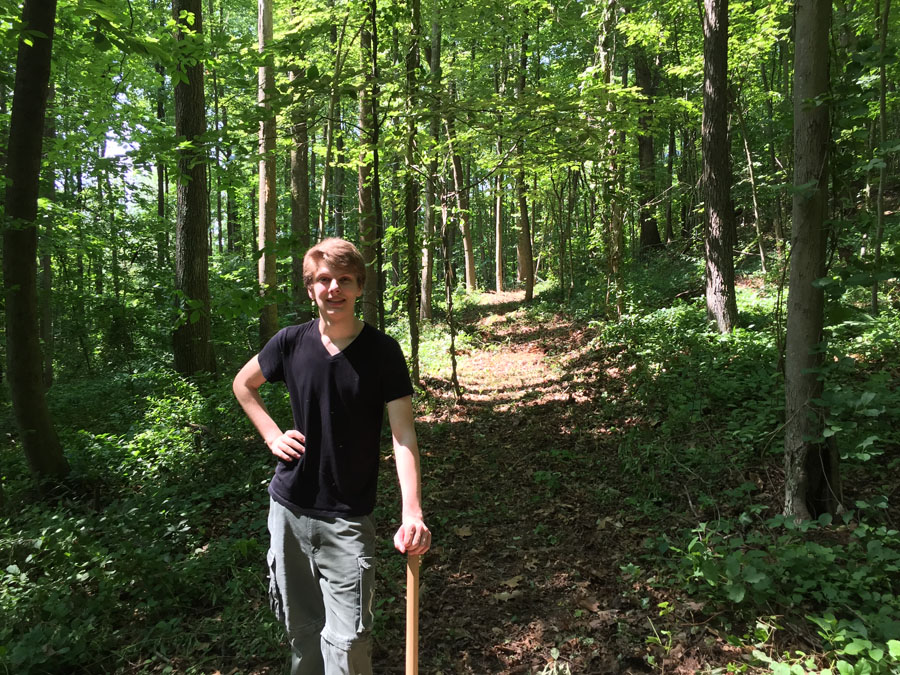
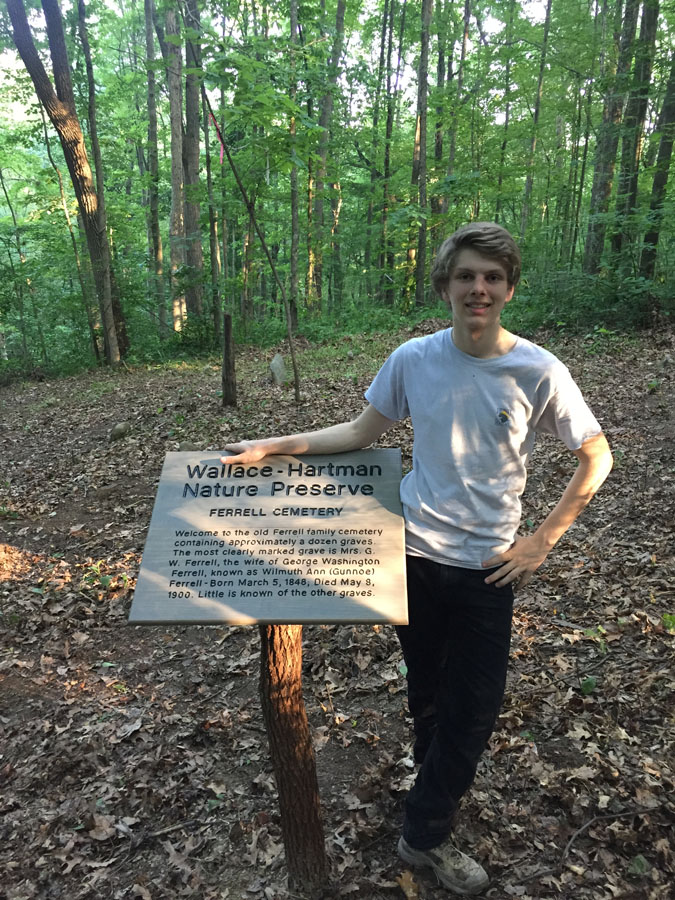
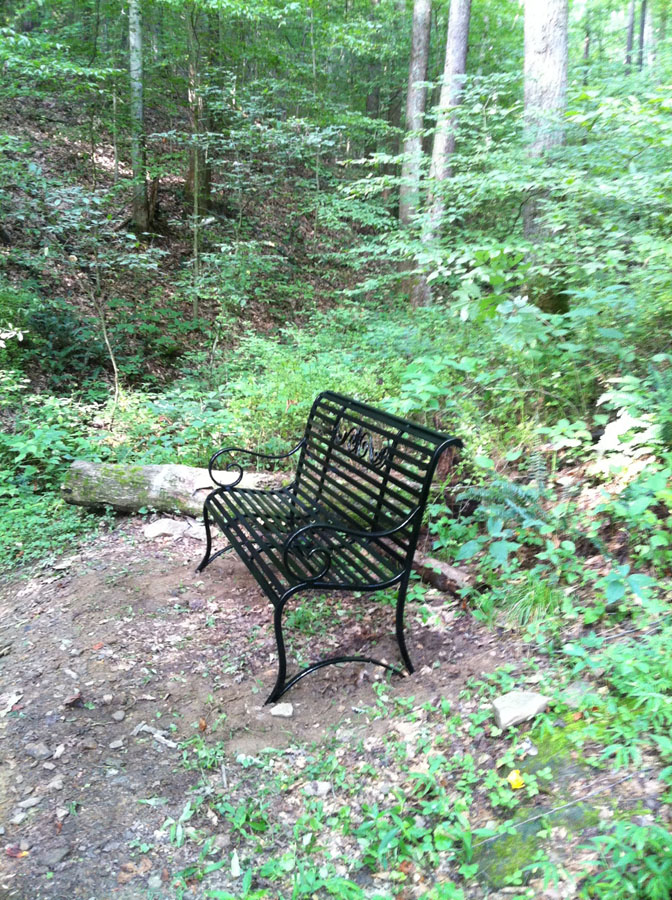
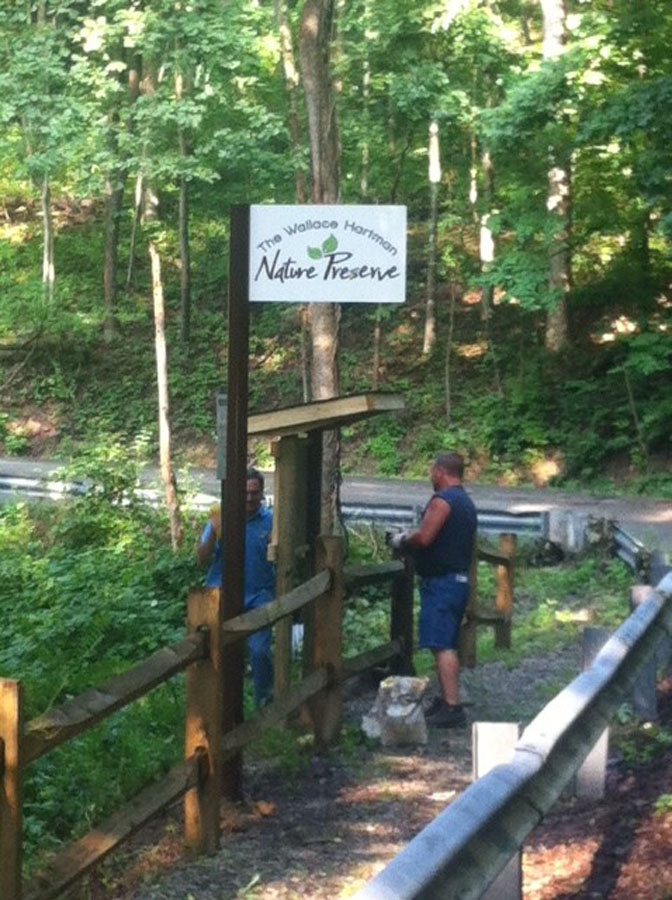
The Wallace Hartman Nature Preserve is a 52-acre natural area located minutes from downtown Charleston, WV and is owned and managed by the West Virginia Land Trust. Trails are established on the property and open to the public for recreational and educational opportunities, habitat protection, and scenic enjoyment.

Location & Access

PLEASE!

  • Hiking and Biking Only
  • Respect all plants and wildlife
  • Keep pets on a leash or under voice command
  • Clean up after pets
  • Take only pictures, leave only footprints

Driving directions:

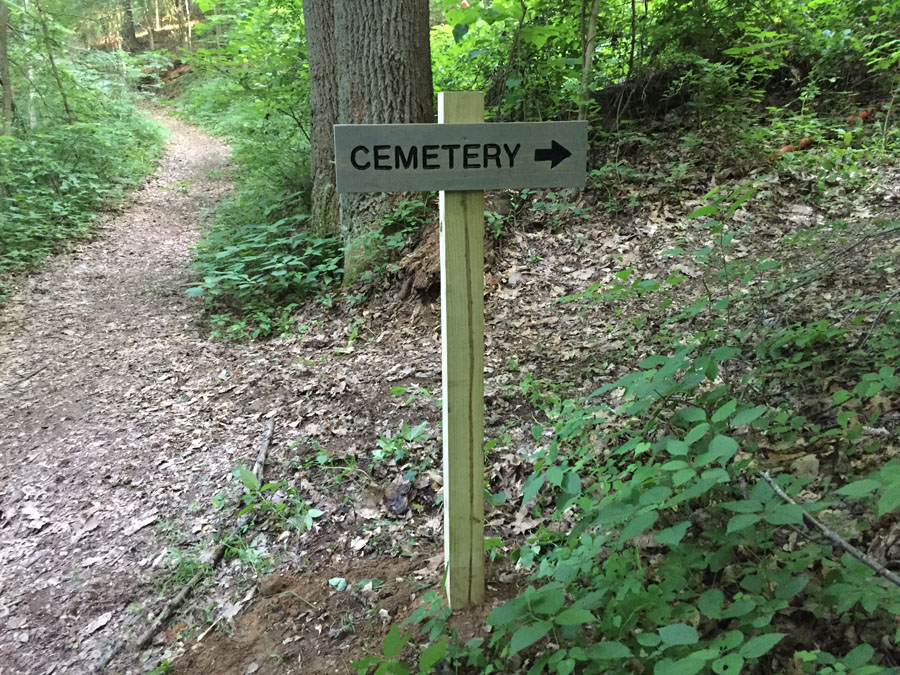
Adrian Road Trailhead – Access via South Ruffner Road to Adrian Road. A small parking area accommodates 2-3 vehicles at a dead-end/ A sign marks the trailhead.

Hampton Road Trailhead – Access via Hampton Road to South Ruffner Road. A small parking area/pull-off area accommodates 2-3 vehicles on the west side of South Ruffner Road. Trailhead and parking area are marked by signs.

Site history

This property was formerly the family land of Dolly Wallace Hartman. In the early 2000s, she made the decision to see that the property was preserved and open to the public for outdoor recreation.

In 2001, the West Virginia Land Trust placed a conservation easement on the property and in 2018 the Kanawha County Parks and Recreation Commission donated ownership of the property to WVLT. Since the transfer, we have developed more than 2 miles of trails, including a new Learning Loop full of information identifying 40 plant species

Learning Loop

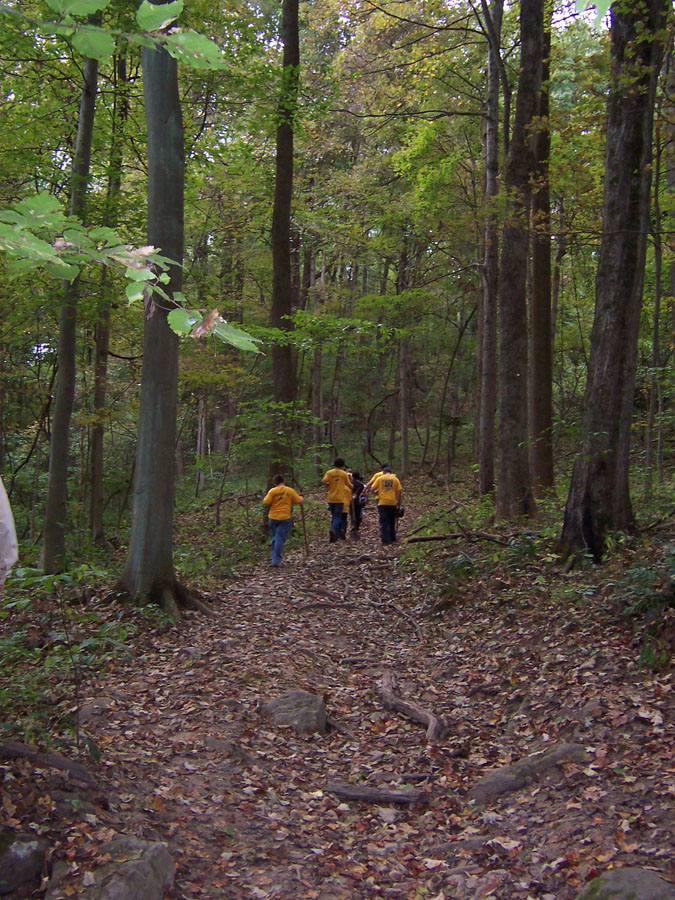
The Learning Loop features 40 native species of trees, shrubs, and ferns on just over one and a half miles of trail, the trail offers visitors the opportunity to learn about the incredible plant biodiversity contained within West Virginia’s forests. Located in southern Kanawha County, close to the Kanawha State Forest, WHNP is right on the northern edge of the Cumberland Mountains, which stretch down into North Carolina and Tennessee and include the Great Smoky Mountains National Park. This region is known to contain some of the most biodiverse temperate forest in the world, surpassed only by tropical rainforests in species richness and diversity. 

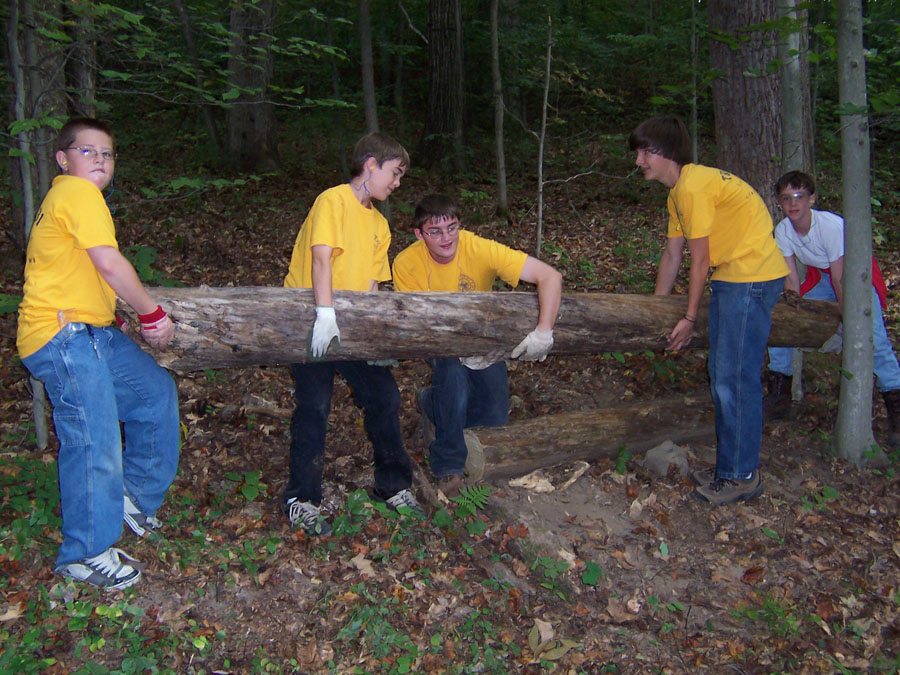
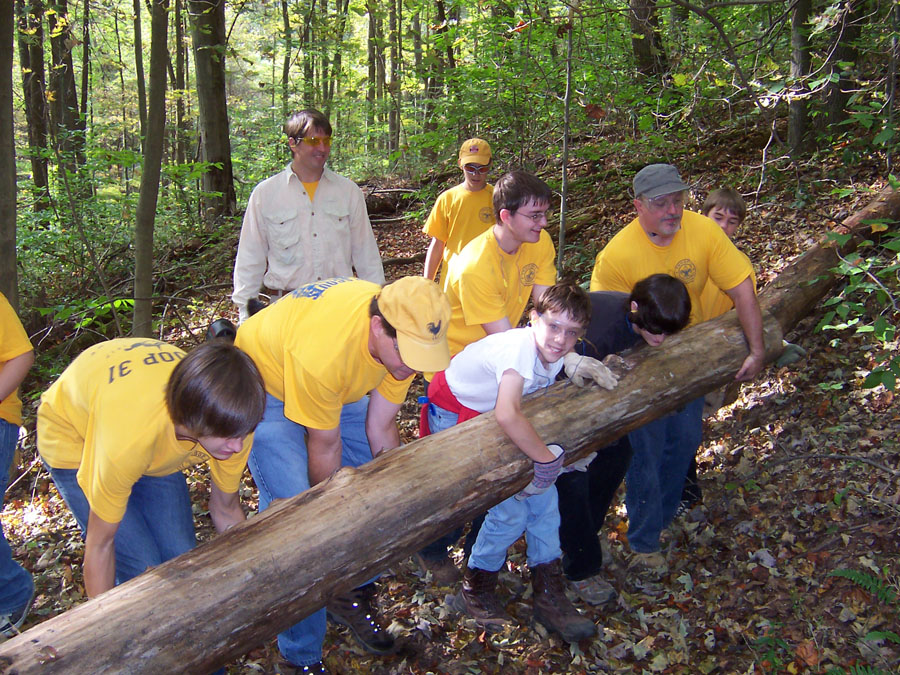
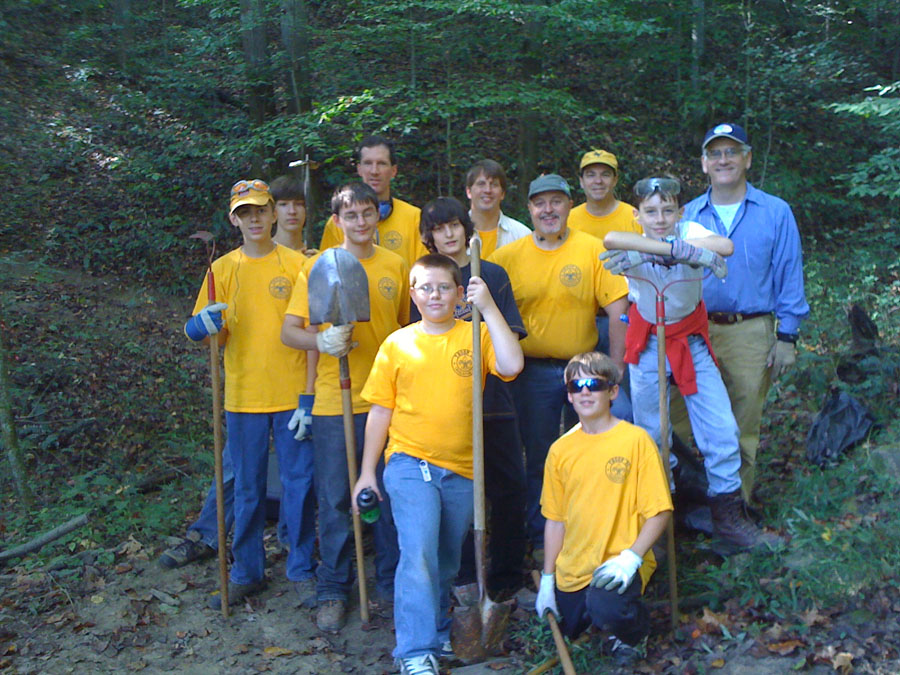
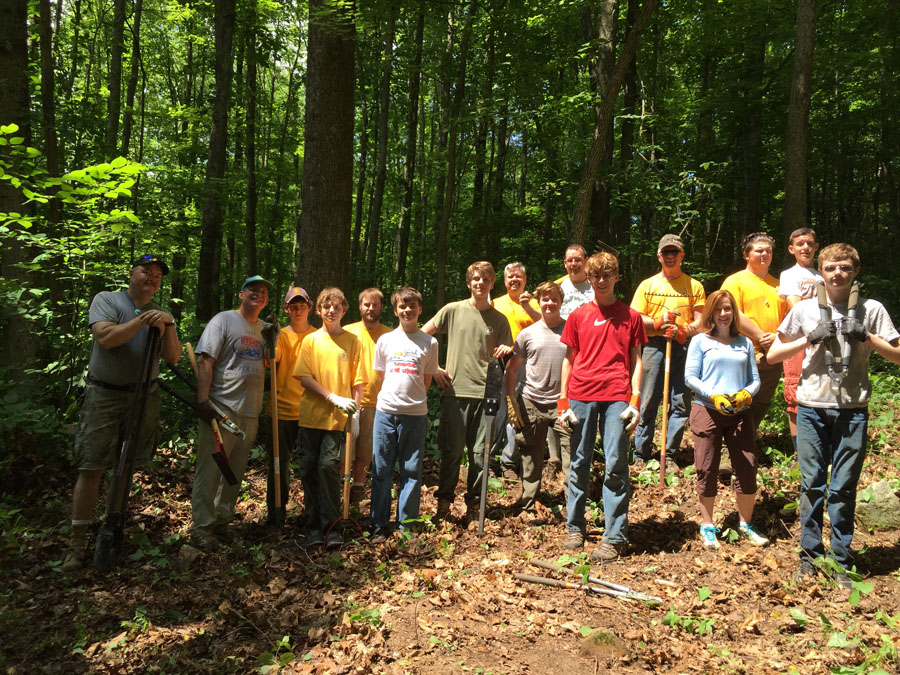
Trail building and work continues!

We welcome newcomers who want to get involved! Call our office at (304) 346-7788 or email shannon@wvlandtrust.org.

Learning Loop Trail

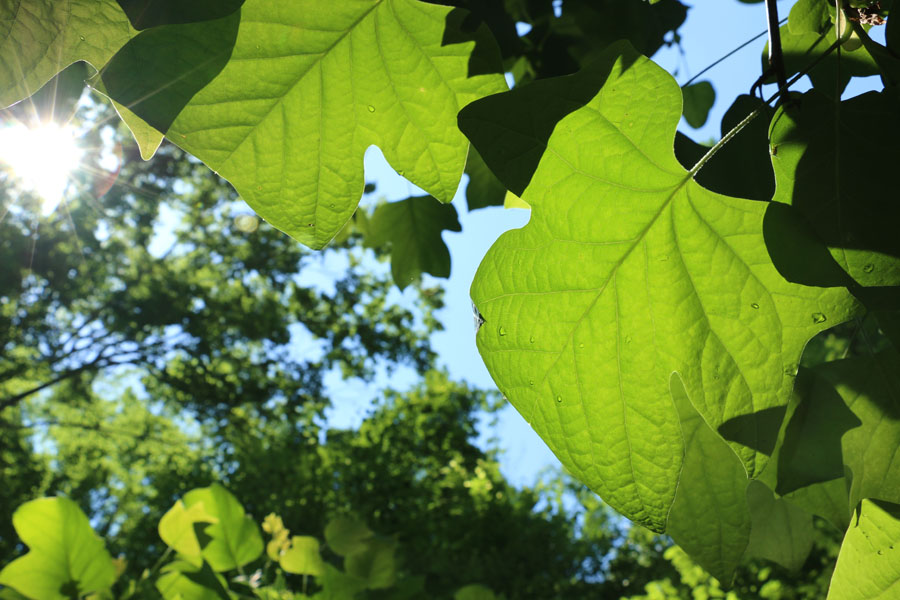
Tulip Poplar

Liriodendron tulipifera

L. tulipifera is not actually a poplar. It’s a member of the magnolia family and is named for the tulip-shaped flowers that create winged seeds called “samaras.” Considered one the tallest trees in eastern North America, they grow quickly and often outcompete other shade-intolerant species.

Platanus occidentalis

You may frequently find large pieces of sycamore bark scattered on the forest floor—this is because these trees shed their bark as part of their growth process. Bark shedding is especially common during the warmer summer months, when the freshly exposed inner bark reflects sunlight and helps minimize heat stress on the tree.

Morus rubra

Red mulberries are a sweet and juicy berry that when ripe may be eaten raw or used in pies, jams & jellies and even wine.

Carya glabra

Pignut Hickory gets its name from the pig-like “snout” on its nut. Although the nuts are too bitter for humans to enjoy, they serve as an important food source for many animals.

Pinus echinata

Often found in the southeast, the common name for this species probably comes from comparing it with other southern species like Loblolly Pine which has needles that are twice as long as this species. Its needles are similar in length to the locally common Virginia Pine, but its cones are smaller.

Prunus serotina

Despite this species’ common name, it is not very closely related to commonly cultivated cherries for human consumption, although they are both members of the Rose family. Syrup, made from the bark, was used as a cough suppressant.

Carya tomentosa

The nuts of this tree are one of the favorite foods of the Gray Squirrel, and many people also like to eat them.

Ilex opaca

The berries of this tree are a vital winter food source for birds, but they are poisonous to humans and pets.

Acer rubra

Red maples are tough, fast-growing, and widespread trees with distinctive red features like flowers and buds that give them their name; they produce winged seeds called “samaras” that spin like a helicopter as they fall to the ground.

Acer saccharum

This is the state tree of West Virginia and can be found in all 55 counties. Maple syrup production, utilizing sap from this species, is experiencing major growth as an industry in WV – an estimated 12,000 gallons was produced in 2024 alone!

Lindera benzoin

Discover for yourself how this native plant gets its name: simply crush a leaf to release its unique scent! All parts of the plant are edible for human consumption and are also a popular food source for birds and butterflies.

Ulmus rubra

The tree’s name comes from the gel-like mucilage in its bark, traditionally used for soothing sore throats and stomach ailments, and still used today in lozenges and other remedies.

Cercis canadensis

Eastern Redbud belongs to the legume family, like other familiar plants such as beans and peas, and produces edible flowers and fruit-like seed pods. The tree’s beautiful, pea-shaped flowers bloom in early spring before the leaves appear.

Polystichum acrostichoides

Its evergreen fronds remain green throughout the winter, providing year-round interest and a valuable food and shelter source for wildlife. Its leaflets are shaped like Christmas stockings, with a prominent lobe that resembles a boot’s toe, which some say gives the fern its common name.

Phegopteris hexagonoptera

As the name implies, this triangular-shaped frond is approximately as wide as it is tall. They occur singly along a creeping rhizome.

Adiantum

The Maidenhair Fern genus is composed of almost 250 different species. Without genetic testing, we can only confidently ID this plant to its genus. The leaves of the species in this genus are known for their incredible water shedding abilities, keeping the fronds dry even in a rainstorm.

Asimina triloba

This tree produces the largest edible fruit native to North America! It is also a clonal, or patch growing species, meaning small groves of paw paw are often all genetically identical. This can lead to some difficulty with pollination. Plant more than one tree and different varieties if you want to grow some of your own.

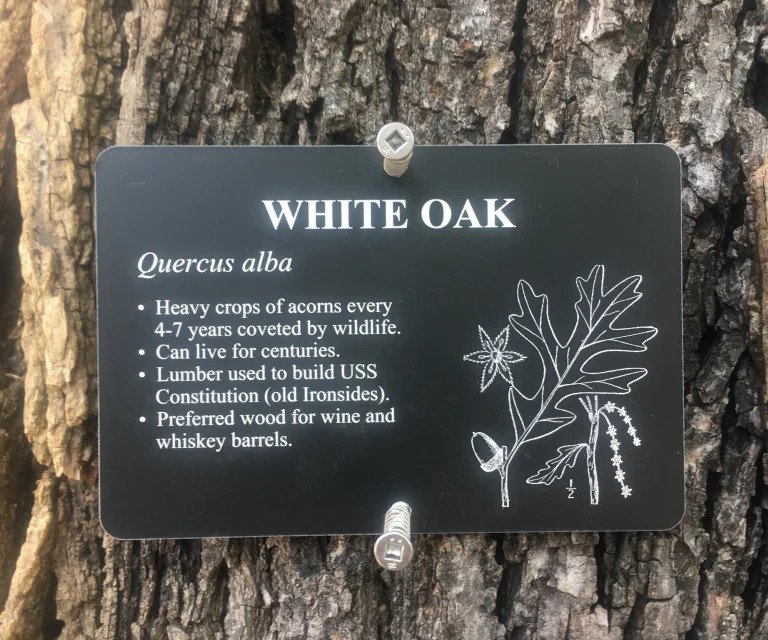
Quercus alba

Q. alba is the best wood for making barrels, especially for bourbon. This is because the wood contains tyloses, which are structures that plug up the tree’s water-transporting cells (xylem) These plugs make the wood waterproof (hydrophobic), which is ideal for holding liquids. The tree’s bark and the finished lumber are typically white or light gray.

Claytosmunda claytoniana

The green, sterile fronds of the fern are ‘interrupted’ by brown, fertile fronds.

Thelypteris noveboracensis

This fern has allelopathic properties, which involve releasing a chemical that can inhibit the growth of or even kill seedlings of certain plants.

Quercus rubra

The northern red oak is a fast-growing species, capable of growing more than two feet in a single year for the first decade of its life.

Quercus montana

Its name comes from its leaves, which resemble those of the American Chestnut tree, though the two species are not closely related.

Botrypus virginianus

The name “rattlesnake fern” refers to the resemblance of its spore-bearing structures to a rattlesnake’s rattle.

Diplazium pycnocarpon

On the underside of the leaves, the spore creating structures (called “sori”) form a unique, elongated, and somewhat feathery pattern that resembles the skeleton of a fish, or a herringbone pattern.

Deparia acrostichoides

Growing well in deep shade, this species is so named because of the silvery white protective membrane (indusium) covering the spore-producing structures on the underside of its fertile leaves.

Dryopteris intermedia

This species is a lacy, evergreen fern characterized by the presence of hair-like structures: toothed leaflets tipped with bristles and the presence of glandular hairs on its leaf structures and stalk.

Dryopteris carthusiana

Unlike the Intermediate Wood Fern, this species has no glandular hairs. In mild winters, their fronds will stay green.

Carya cordiformis

The most distinguishing feature of the bitternut hickory is its striking, bright yellow buds, even when the tree is dormant in winter. The name “bitternut” comes from the extremely bitter nuts, which are an important food source for many rodents, squirrels, and other small animals. 

Juglans nigra

Black Walnut leaves, bark, nut husks, and roots contain “juglone,” a chemical that is lethal to and prevents the growth of many other plants within the tree’s rooting zone.

Fagus grandifolia

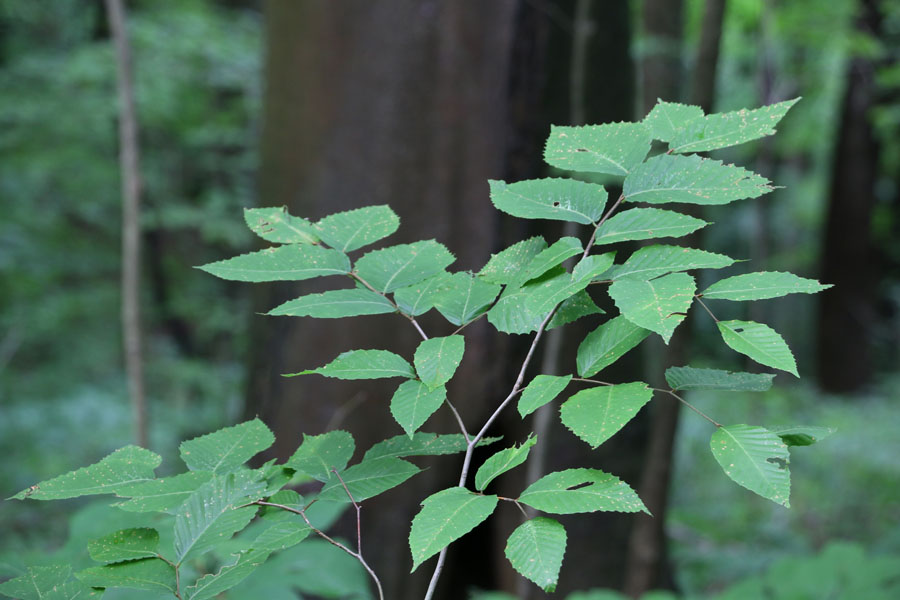
Beech trees can live for up to 400 years and are intolerant of pollution, so their presence indicates healthy soil. They also grow easily from root sprouts, forming dense groves of cloned trees.

Athyrium asplenioides

Wider at the base than its counterpart, the Northern Lady Fern (Athyrium angustum), this fern can be found in acidic or neutral soils from southern New England, south to Florida, and west to Texas.

Magnolia acuminata

Named because the fruit of the tree looks like tiny cucumbers. The fruit matures to a reddish color and splits open in late summer or fall, releasing bright red seeds that hang from slender threads. These seeds are eaten by birds and small mammals. It is the most cold-hardy tree in the magnolia family.

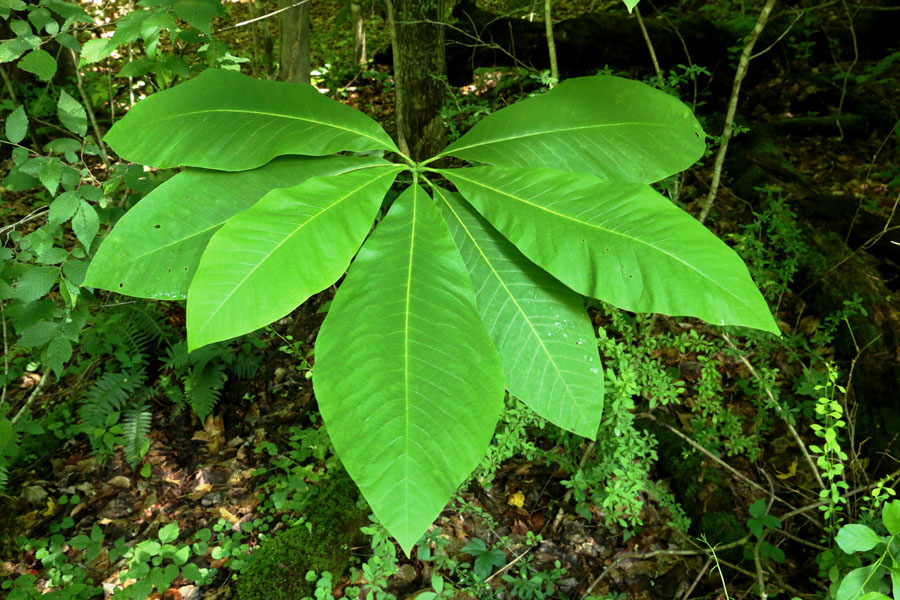
Magnolia tripetala

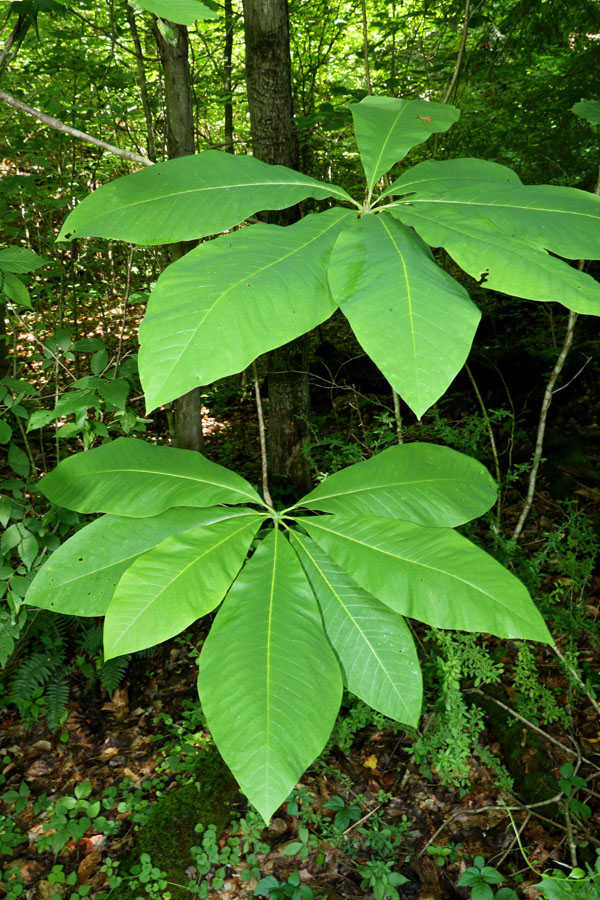
The Umbrella Magnolia has the largest leaves of any native West Virginian tree, resembling trees commonly found in more tropical climates.

Hamamelis virginiana

The latest blooming tree in Appalachia. The late-season blooms of witch hazel, appearing in November or December, provide a crucial nectar and pollen source for these pollinators when other flowers are scarce in the last few months of the year.

Quercus imbricaria

The shingle oak was named by pioneers who used its easily split wood to make shingles for their cabins.

Betula lenta

The leaves and buds of this tree have a wintergreen scent and flavor. This species has been used to make tea that can relieve ailments such as fever, stomachache, and inflammation.

Carpinus caroliniana

The American hornbeam has distinctive, smooth, blue-gray bark that resembles the flexed muscles of a person, earning it the nickname “Musclewood.”

Oxydendrum arboreum

This tree, also called the Lily of the Valley Tree, produces flowers that cover the branches in midsummer, attracting honeybees. Why is it called sourwood? Try a leaf for yourself if you’d like a tangy, sour snack.

Nyssa sylvatica

Black gum, also called tupelo, often becomes one of the forest’s oldest trees because its low lumber value allows it to escape logging. The bark on mature trees resembles alligator skin.

Ulmus americana

A very hardy tree known for its long lifespan and ability to survive low temperatures, it used to be one of North America’s most common hardwood tree species found along roads and in parks. Today, Dutch Elm Disease has decimated the species and it is much harder to come by.

Newsletter Signup